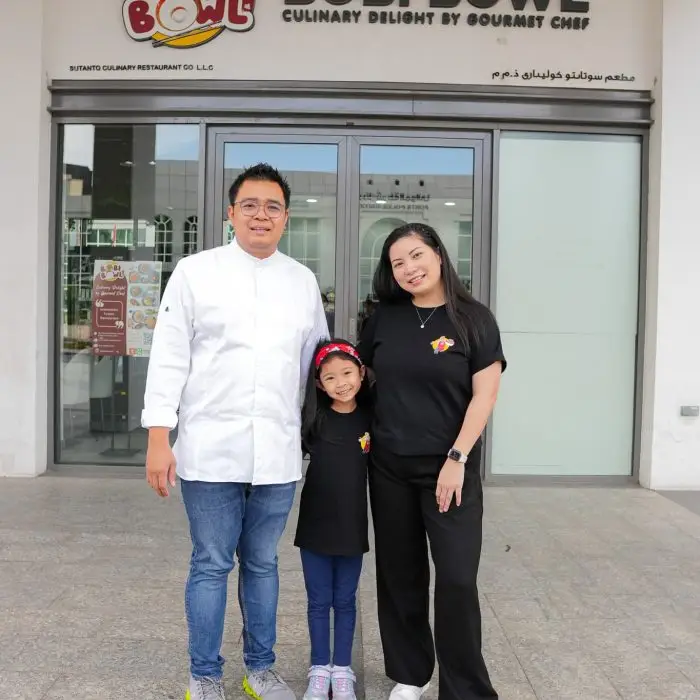
Dubai: At first glance, Bobi Bowl could be mistaken for another contemporary casual restaurant in Dubai. Tucked into Jumeirah 1 district, a quiet residential neighbourhood, the minimalist space feels calm even on a hot Saturday afternoon, when sunlight bounces off the mirrors lining the walls, making the dining room appear larger than it is. But before guests even take their first bite, they're already looking at one of the restaurant's most meaningful design decisions. The name.
The meaning behind “Bobi Bowl”
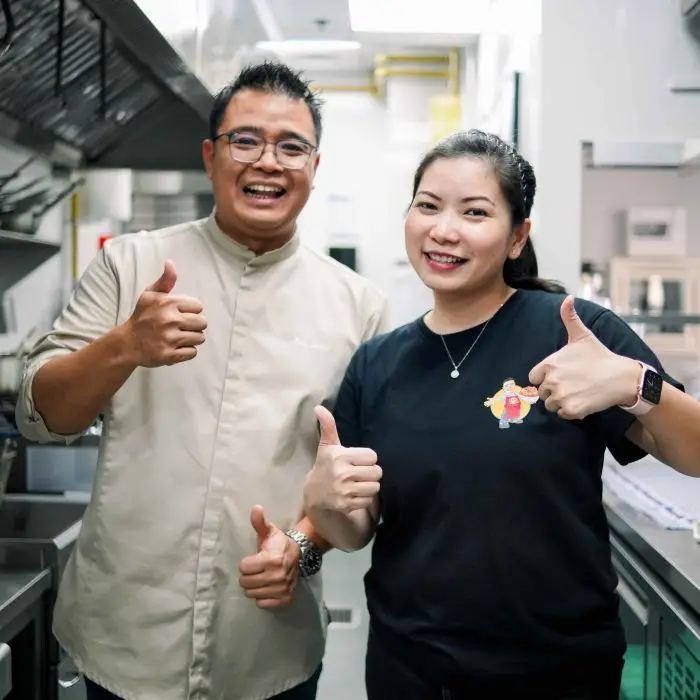
While the chef's name is Bobby, the restaurant deliberately became Bobi Bowl. The missing "b" is no typo, it reflects the Chinese-Indonesian tradition of numerology, where the number eight is considered especially auspicious, symbolising prosperity, continuity and infinity. "Bobi" has four letters and "Bowl" another four, bringing the total to eight. The symbolism is carried into the logo as well. The two "O"s are designed to form an infinity symbol, subtly reinforcing the significance of the number. For the founders, Sylvana Sari, a 38-year-old entrepreneur from Jakarta, and Bobby Sutanto, 37, from Surabaya, it was a meaningful choice for a business they hope will endure for generations. That philosophy goes well past the sign above the door.
Bobi Bowl's menu
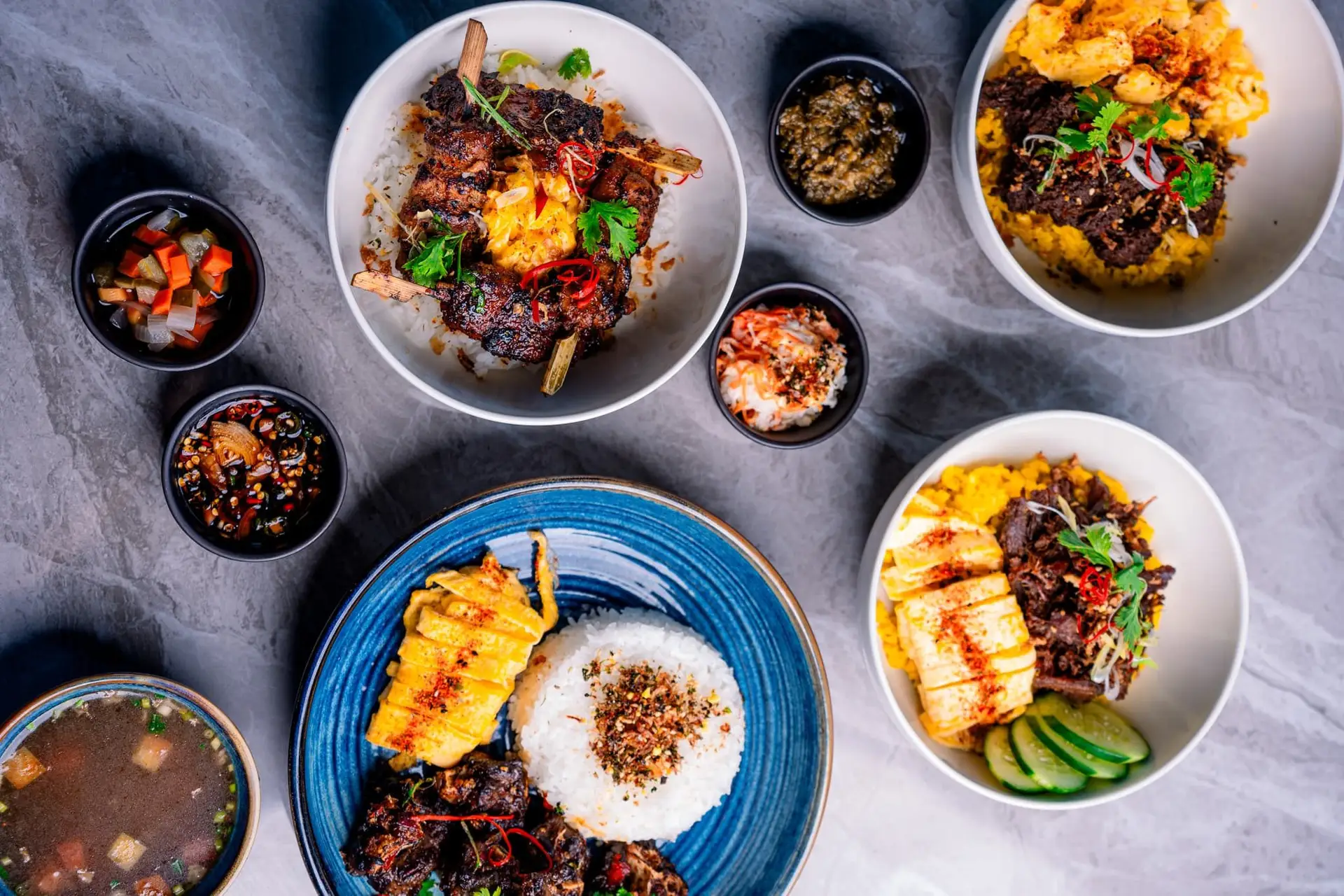
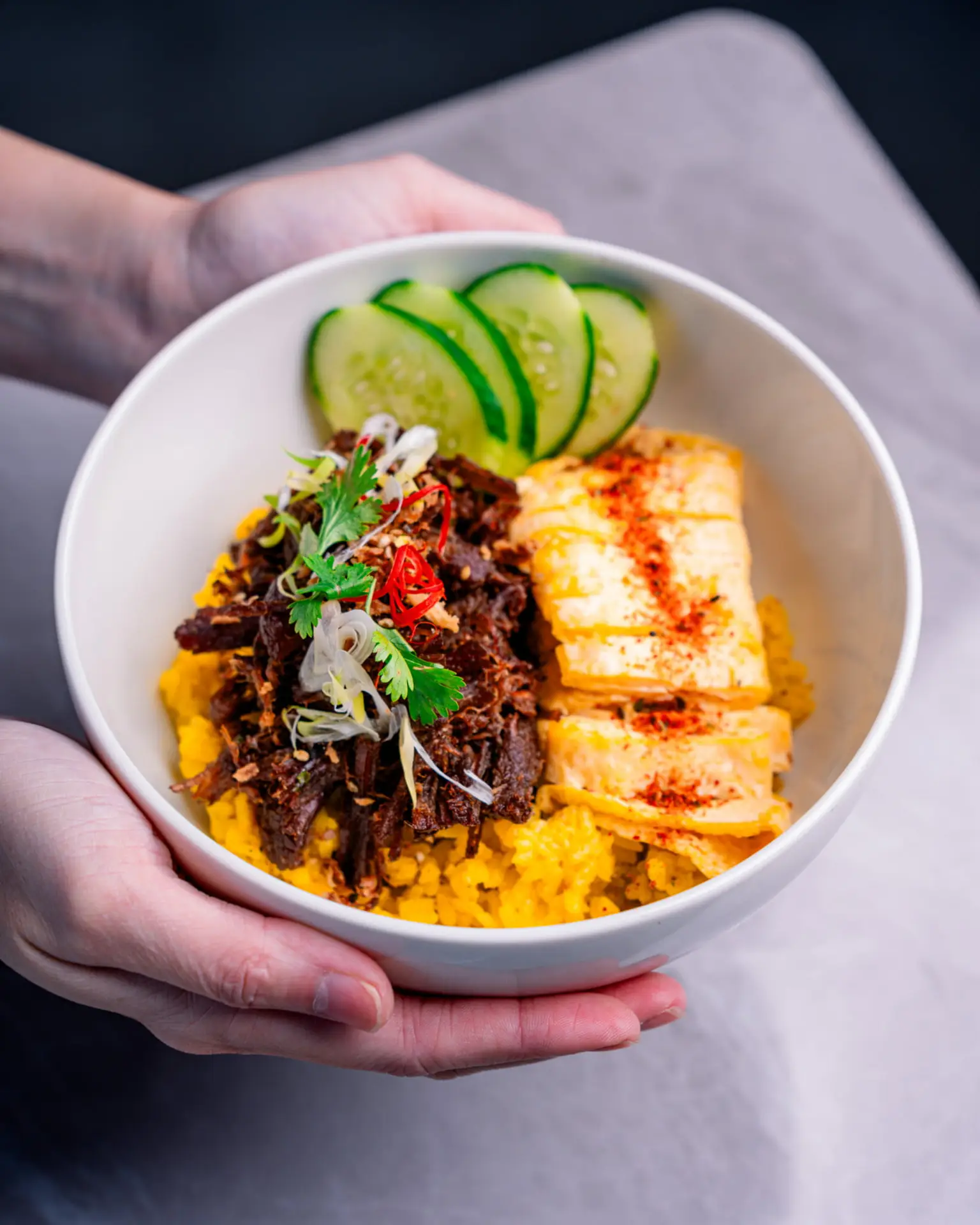
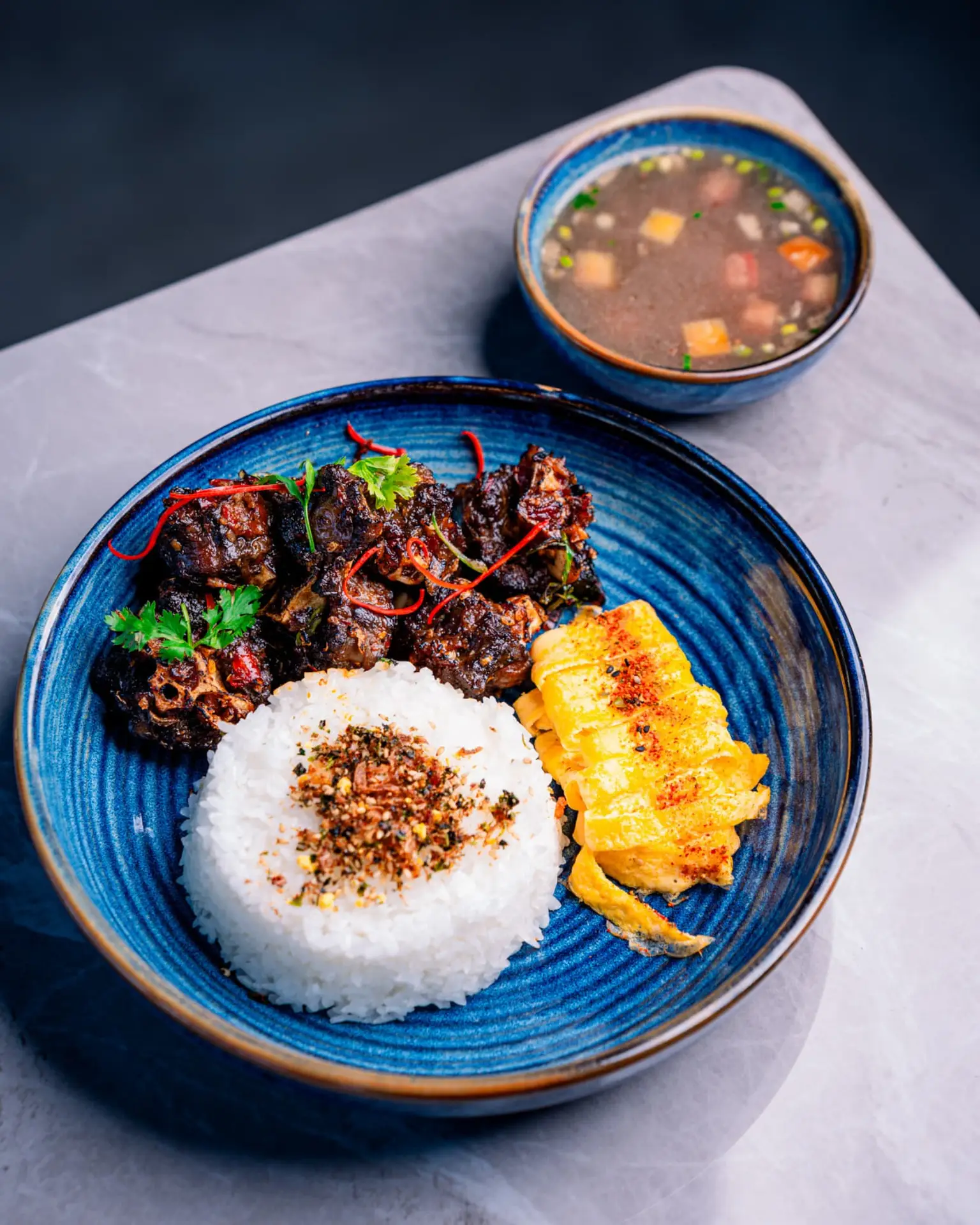
Bobi Bowl was never conceived as a response to a passing food trend. The owners’ ambition was to create a brand with longevity, one capable of expanding while remaining faithful to its Indonesian roots. The concept itself began simply: rice bowls paired with carefully selected proteins. Yet the chef's fine-dining background gives every plate a level of refinement that elevates the casual format. Each element is placed with intention, creating layers of flavour while presenting familiar Indonesian recipes in a way that feels contemporary. That same balance between authenticity and accessibility defines the menu. It features classic Indonesian staples, everyday dishes that form the foundation of the cuisine, alongside signature rice bowls and noodle soups, as well as traditional sambals, spicy chilli condiments known for their bold, layered flavours.For those with a sweet tooth, Pisang Goreng Pasir is a standout dessert made with ripe bananas coated in crunchy breadcrumbs and fried until golden, then finished with a traditional Indonesian combination of melted chocolate and grated cheese, creating a sweet-and-savoury contrast. Also available this summer season and for dine-in guests, Es Teler is a classic Indonesian shaved ice dessert drink made with tropical fruits and a creamy coconut base, offering a light, refreshing finish to the meal.
Adapting Indonesian food for Dubai
Rather than changing the identity of Indonesian cuisine, the restaurant adapts it for Dubai's international audience. Spice levels are softened so diners unfamiliar with Indonesian food can comfortably enjoy the dishes without compromising their original flavour profile. Traditional recipes are also influenced by the chef's experience in Japanese cuisine, resulting in subtle touches that add another dimension without overshadowing their Indonesian identity. Presentation follows the same philosophy.Some traditional Indonesian meals are designed to be eaten by hand, but Bobi Bowl reimagines them through modern plating that feels natural within Dubai's dining scene. The interior mirrors this approach. Instead of heavily traditional décor, the restaurant embraces clean lines and minimalist design, allowing the food itself to remain the focal point.
Guest reactions and experience
For many guests, those choices have paid off. Rolando Vergara, a Venezuelan who has lived in Dubai for seven years, says he has been visiting Bobi Bowl since it opened because he lives nearby. "The taste is really authentic. It's very similar to the dishes I tried in Indonesia, and I've been there more than 20 times." He believes the owners' background in hospitality is reflected throughout the dining experience: “The service is amazing”. Having experienced Indonesian restaurants across Indonesia, Vergara says the biggest difference is not the food itself but the execution. "Here everything is very Dubai standard: the organisation, the cleanliness and the service”, he emphasizes.First-time visitor Valerio Giannattasio, an Italian who has lived in Dubai for three years, left equally impressed. "If I lived nearby, I'd come more often. It's my first experience at the restaurant and I loved it."
Building a culture beyond the restaurant
The sense of community reaches far past the dining room. After seven months working at Bobi Bowl, 27-year-old Ria Astuti describes the company culture as a family. She also credits co-owner Sari as a source of inspiration as she dreams of opening her own business one day.That atmosphere reflects another aspect of the founders' vision. The intention of building Bobi Bowl has never been solely serving Indonesian food. For Sylvana and Bobby, is creating a business culture capable of inspiring both employees and customers while laying the foundation for future expansion. In a city where new restaurant concepts appear almost weekly, Bobi Bowl stands apart because it has a clear sense of identity. Even its name quietly tells that story. Eight letters, chosen with purpose, representing a belief that the strongest restaurants are built not only for today, but for the future.