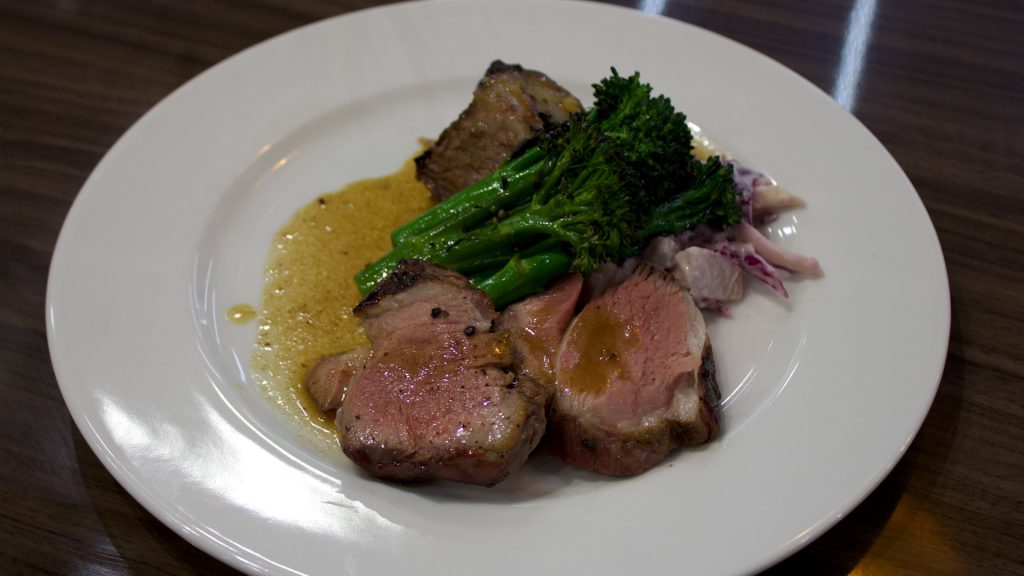
Surrounded by 37 Australian exporters and live cooking demonstrations at the Aussie Beef, Lamb and Goat stand, Watson emphasized that consumers today are increasingly looking for ‘protein’ on packaging. Watching chefs, including Tarek Ibrahim, prepare Australian red meat throughout the event made that shift tangible: the product itself hasn’t changed, but the way it is presented, perceived, and consumed has.
In a visually driven market like the UAE, digital culture and global hospitality trends are reshaping what ends up at the centre of the plate.
Social media is a factor in this evolution. “Protein on the plate has grown, probably as a result of social media showcasing how protein is eaten around the world,” Watson explains.
Beef has increasingly become the highlight of the plate, not just a side, reflecting a shift in dining culture accelerated by global culinary trends. While social media is not the only driver of rising consumption, it plays a significant role by making dishes visually appealing and aspirational, turning premium protein into a daily expectation rather than a special-occasion treat.
This growing interest is also reflected in trade figures.
In 2025, Australian red meat exports to the UAE reached AUD 316 million, up from AUD 236 million the year before, while exports across the wider Middle East and North Africa (MENA) region hit a record AUD 2.2 billion. According to estimates from Meat & Livestock Australia, around 70% of Australian beef exports to the MENA region are now used by restaurants, hotels, and catering operators, suggesting sustained appetite for premium protein across the hospitality sector.
From a nutritional perspective, the renewed focus on protein is grounded in science. “Red meat is a complete protein,” explains Mantovani. “It contains all the essential amino acids required for muscle repair, cellular regeneration, and overall protein synthesis. While plant-based combinations can provide some amino acids, they do not offer the same complete profile in a single source.” This nutritional reliability helps explain why protein-focused menus often feature meat prominently.
Consumers today are more aware of health, lifestyle, and longevity than ever, Mantovani adds. Social media has expanded access to nutritional information, but not all content is equal. “It’s not just about counting protein or drinking a whey shake after the gym,” she says.
Combined with culinary evolution, sustained demand, and strong trade figures, the prominence of protein reflects a long-term shift in how food is presented, consumed, and valued across the UAE and the wider MENA hospitality sector. After all the scrolling, hashtags, and Instagram-worthy plates, one thing has not changed: meat has always been protein. It has been quietly sitting at the centre of our plates, long before it became a trend, proving that sometimes, the classics do not need a filter.