Hotels of UAE

The Evolution of Value: An Exclusive Interview with JS Anand, Founder and CEO of LEVA Hotels

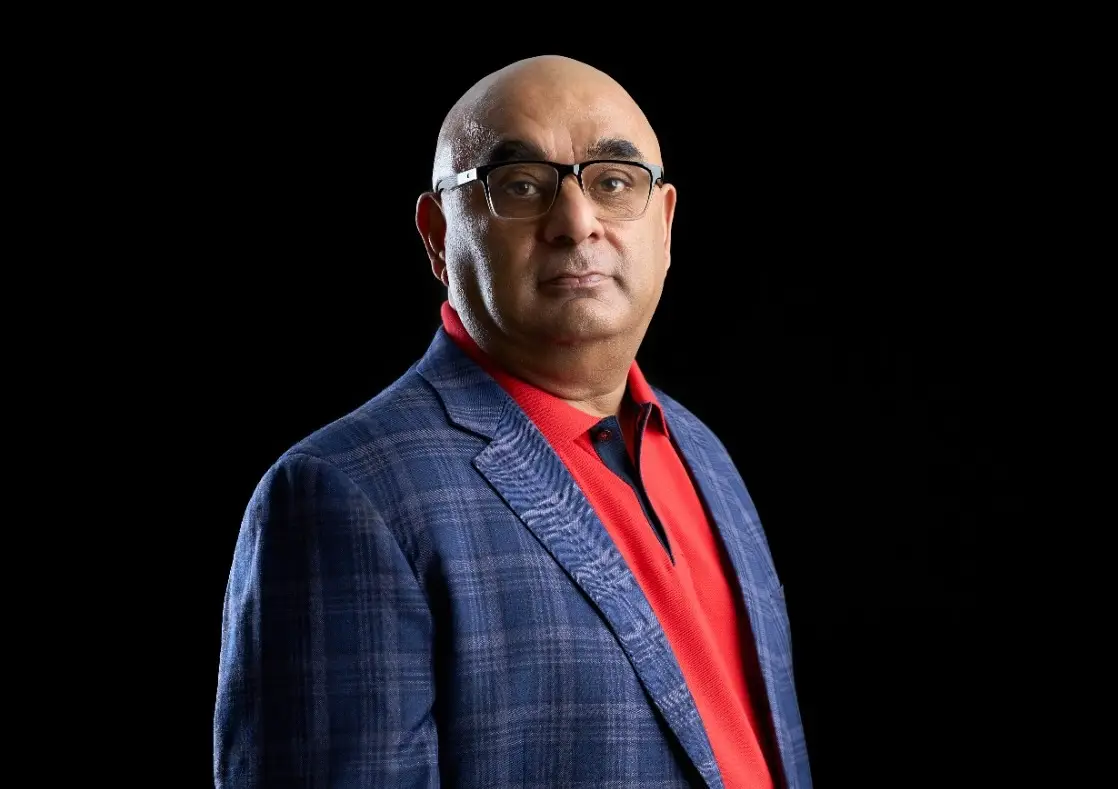
JS Anand of LEVA Hotels Discusses the Future of Mid-Market Hospitality in the GCC with Hotels of UAE

Dubai, UAE – As the hospitality sector in the Middle East undergoes a rapid transformation, the traditional focus on opulence is being challenged by a new wave of personality-driven, mid-market concepts. To understand how the region is adapting to these shifts, Hotels of UAE spoke to JS Anand, the Founder and CEO of LEVA Hotels, to find out more about the changing definition of “value,” the influence of Gen Z and how homegrown brands are uniquely positioned to navigate the nuances of the modern GCC traveller.

Hotels of UAE: How has the definition of “value” changed for GCC travellers as the mid-market sector matures against the region’s traditional luxury offerings?

JS Anand: In the GCC, the notion of “value” has evolved beyond just price or physical amenities. Travellers increasingly seek a holistic experience that blends comfort, convenience, and meaningful engagement. While luxury remains aspirational, mid-market guests are prioritising personalised service, authentic local experiences, and flexible offerings that cater to their lifestyle rather than a rigid five-star formula. Value today is measured by how well a stay aligns with individual preferences, whether that is through curated experiences, intuitive digital services, or thoughtful design elements that make a hotel feel both personal and relevant. Essentially, guests are willing to pay more for experiences that feel purposeful rather than purely opulent.

Hotels of UAE: To what extent are changing traveller demographics, particularly the rise of Gen Z, forcing a shift from standardised hotel stays to personality-driven lifestyle concepts?

JS Anand: The rise of Gen Z and younger travellers is accelerating a shift toward hotels that offer personality, authenticity, and social connectivity. Standardised rooms no longer resonate with a generation that values individuality and immersive experiences. Lifestyle-driven concepts that reflect local culture, support community engagement, and offer Instagram-worthy environments are becoming increasingly relevant. This demographic also expects technology and convenience to be seamlessly integrated into the experience, from mobile check-ins to AI-driven recommendations, making personality-driven, adaptive hospitality a necessity rather than a differentiator.

Hotels of UAE: With the current focus on regional diversification, how are mid-market brands helping to open up secondary cities and nature-based destinations across the UAE and KSA?

JS Anand: Mid-market brands are playing a crucial role in diversifying tourism beyond traditional city centres. By expanding into secondary cities and nature-based destinations, they provide accessible yet memorable experiences for a broader spectrum of travellers. These properties often leverage the local environment, such as desert landscapes, coastal retreats, or heritage towns, to offer curated experiences that combine relaxation, adventure, and cultural immersion. In doing so, mid-market hotels not only stimulate domestic and regional tourism but also encourage repeat visits by offering fresh, differentiated options that go beyond conventional city breaks.

Hotels of UAE: How have booking patterns evolved in 2026, and what role do social media and digital-first experiences play in a guest’s decision to choose a lifestyle hotel over a traditional one?

JS Anand: Booking patterns in 2026 are increasingly short-term, flexible, and digitally-driven. Guests often decide within days or weeks of travel, relying heavily on online reviews, social media content, and immersive digital experiences to inform their choice. Lifestyle hotels benefit from this shift, as visually engaging spaces, influencer partnerships, and strong digital storytelling create emotional resonance before guests even arrive. Social media acts as both inspiration and validation, allowing travellers to choose properties that align with their values, aesthetics, and desired experiences, rather than just star ratings or price points.

Hotels of UAE: As sustainability becomes a non-negotiable requirement for modern travellers, how is the GCC mid-market sector balancing eco-conscious operations with competitive pricing?

JS Anand: Sustainability is no longer optional; it has become a core expectation for many travellers. Mid-market hotels are responding by embedding eco-conscious practices into operations without significantly increasing costs. This includes energy-efficient design, waste reduction programs, and sourcing local, ethical products for F&B and amenities. By integrating sustainability into the guest experience, such as encouraging green practices through engagement or offering eco-friendly room options, hotels can differentiate themselves while maintaining competitive pricing. The key lies in making eco-conscious choices feel intuitive and rewarding rather than a compromise on comfort or affordability.

Hotels of UAE: How has the rise of the “bleisure” trend impacted the demand for community-centric co-working hubs, and how important is it to consider including coworking spaces at hotels?

JS Anand: The “bleisure” trend has redefined expectations for mid-market and lifestyle hotels. Guests increasingly seek environments where work and leisure coexist seamlessly, creating demand for community-centric co-working hubs and adaptable spaces. Incorporating such facilities not only attracts digital nomads and business travellers but also encourages longer stays, repeat visits, and cross-generational engagement. Hotels that integrate co-working, meeting spaces, and networking opportunities into their design strengthen their relevance, positioning themselves as destinations that support both productivity and personal enrichment.

Hotels of UAE: What unique advantages do homegrown GCC hotel groups have over international chains when it comes to capturing the nuances of the modern regional traveller?

JS Anand: Homegrown GCC hotel groups have an intrinsic understanding of local culture, customs, and guest expectations that international chains often take years to decode. This local insight allows them to tailor experiences, from cuisine and design to personalised service and cultural programming, that resonate more deeply with regional travellers. Being attuned to evolving domestic trends, digital behaviours, and lifestyle preferences enables these brands to anticipate guest needs, adapt quickly, and offer authentic experiences that feel genuinely connected to place and community. In essence, their agility and cultural fluency provide a competitive edge in a market where relevance and personalisation increasingly define success.

Scroll to Top